
Craving sweets is a very common experience among people with diabetes and prediabetes. However, it is not simply a matter of willpower. Rather, it is a consequence of blood sugar dysregulation, insulin resistance, and neurobiological mechanisms involved in appetite control.
This article is grounded in scientific evidence to help you understand the biological causes of sugar cravings, while also introducing healthy beverage options that can support blood sugar stability and reduce sweet cravings in a safe and sustainable way.
Why do people with diabetes often crave sweets?
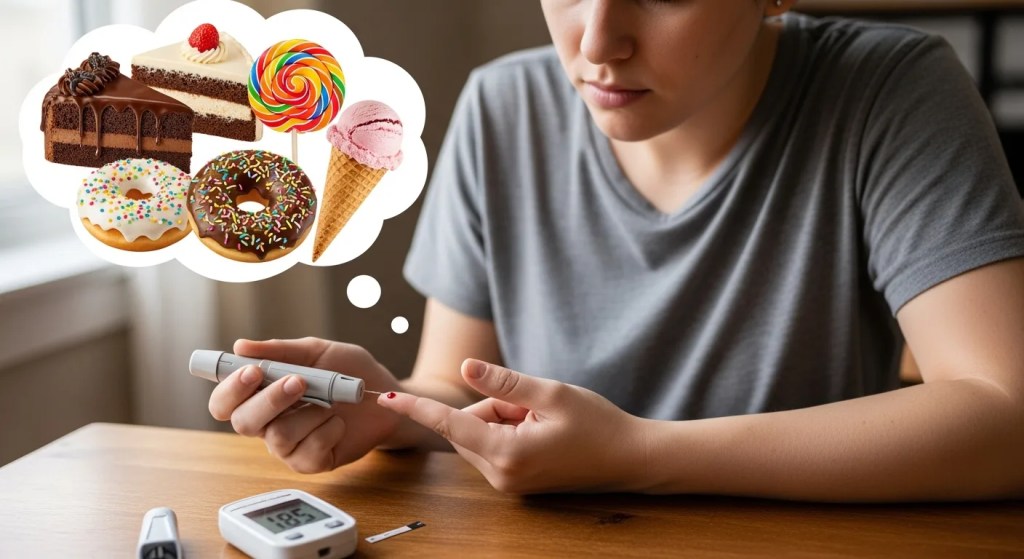
Craving sweets is not a matter of weak willpower it is a biological response.
In people with diabetes or prediabetes, the following mechanisms commonly occur:
1. Insulin resistance & blood sugar fluctuations
When cells respond poorly to insulin, glucose cannot efficiently enter the cells → the brain mistakenly perceives an energy deficit, triggering cravings for quick sources of sugar.( Lustig et al., 2012 – Nature)
2. Dopamine dysregulation
Sugar stimulates dopamine, the neurotransmitter responsible for pleasure and reward. When sugar intake is suddenly restricted, the brain “demands” the familiar source of stimulation, leading to increased cravings. (Volkow et al., 2013)
3. Stress & elevated cortisol
High cortisol levels, often driven by chronic stress, raise blood glucose levels and increase cravings for fast-absorbing carbohydrates. (Joseph & Golden, 2017)
Therefore, instead of an approach based on absolute restriction, a more effective strategy is smart substitution.
5 Science-Backed Beverages That Help Reduce Sugar Cravings
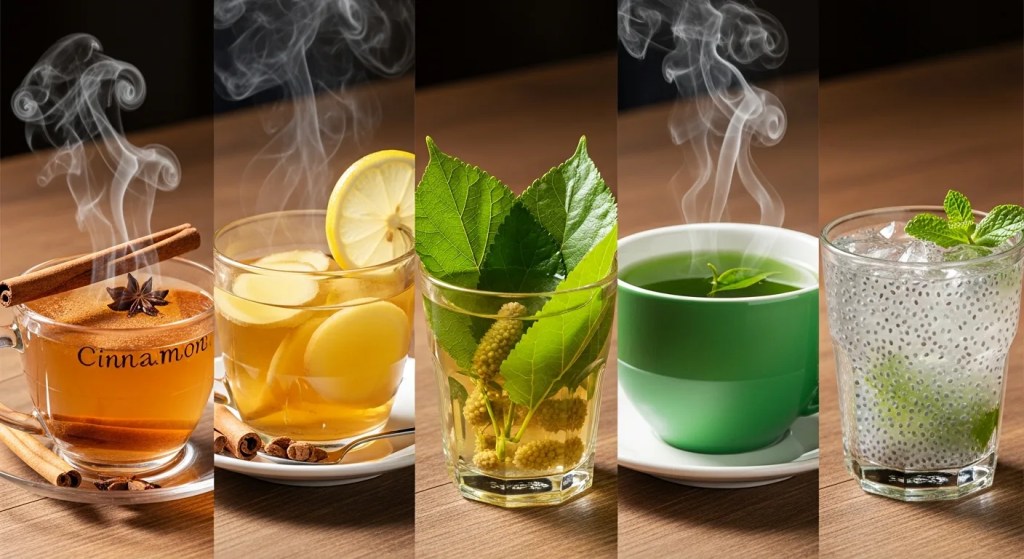
1. Cinnamon Tea
Key benefits:
- Improves insulin sensitivity
- Reduces postprandial (after-meal) blood glucose
- Helps reduce sugar cravings
Cinnamon improves glucose and lipid metabolism in people with type 2 diabetes. (Anderson et al., 2003)
How to use
- 1–2 g of Ceylon cinnamon
- Steep in hot water for 10 minutes
- Drink after meals
⚠️ Avoid long-term use of high doses of Cassia cinnamon due to its coumarin content.
2. Ginger Tea
Benefits:
- Slows glucose absorption
- Reduces insulin resistance
- Supports digestion and helps reduce snacking cravings
📌 Mahluji et al., 2013 – International Journal of Food Sciences and Nutrition
How to use
- 3–5 slices of fresh ginger
- Do not add sugar or honey
3. Mulberry Leaf Tea
Key effects
- Inhibits the enzyme α-glucosidase, helping reduce postprandial blood glucose spikes
- Blunts sugar “peaks” and reduces sweet cravings
This mechanism is similar to that of acarbose, but milder and more natural. (Kim et al., 2011)
4. Green Tea
Key compounds
- EGCG (Epigallocatechin gallate)
Benefits
- Enhances glucose utilization
- Improves insulin sensitivity
- Reduces oxidative stress a key factor that worsens diabetes
💡 Drink unsweetened; avoid late consumption due to caffeine content. (Huxley et al., 2009)
5. Chia Seed Drink
Why it helps reduce sugar cravings
- Rich in soluble fiber, which slows glucose absorption
- Stabilizes blood sugar, reducing the brain’s “demand” for sugar (Vuksan et al., 2007).
How to use
- 1 tablespoon of chia seeds
- 300 ml water
- Soak for at least 15 minutes
Why are beverages important for people with diabetes?
- Liquids can affect blood glucose levels quickly
- They help avoid “hidden sugars” commonly found in snacks
- They support insulin control between meals, reducing blood sugar fluctuations
📌 American Diabetes Association (ADA) – Nutrition Therapy for Diabetes, 2023
Glucose Guard Capsules – Safe Support for Blood Sugar Control
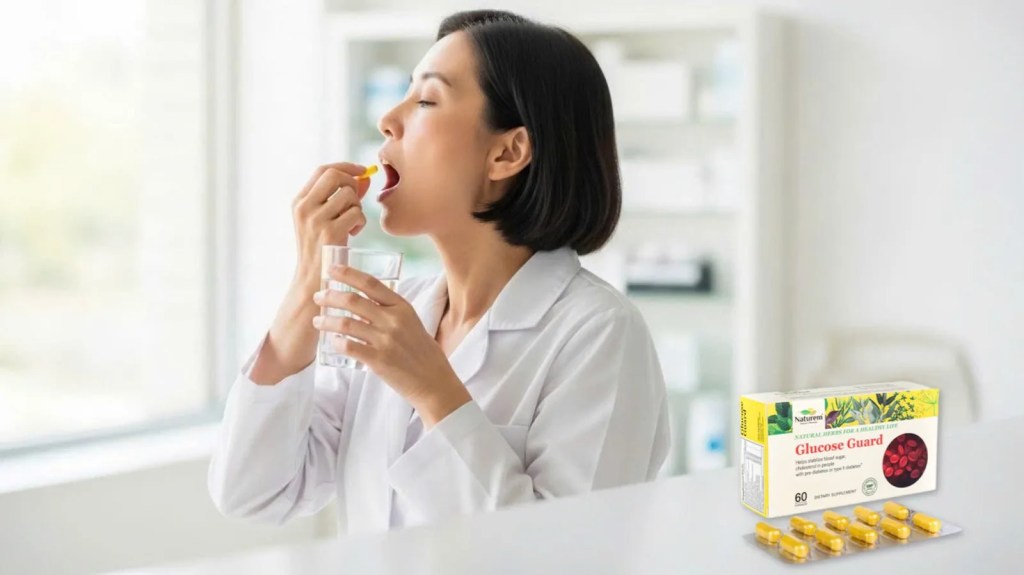
Glucose Guard Capsules are a supportive solution for blood sugar management, developed through the integration of traditional herbal medicine and modern scientific understanding of glucose metabolism.
The formula focuses on stabilizing blood glucose levels, improving insulin sensitivity, and reducing sugar cravings helping people with diabetes and prediabetes maintain metabolic balance in a safe and sustainable way.
The product is suitable for daily use as part of a healthy lifestyle, alongside an appropriate diet and professional medical guidance.
Ingredients
- Gymnema sylvestre extract: Rich in gymnemasides, this extract helps inhibit glucose absorption in the intestines, supports insulin secretion, and contributes to healthy blood sugar regulation.
- Gynostemma pentaphyllum extract: A natural source of saponins that help enhance immune function, provide antioxidant protection, and support blood glucose balance.
- Poria cocos extract: Contains triterpenoids known for their diuretic and anti-edema properties, while also helping to stabilize blood sugar levels and support metabolic balance.
Start managing your blood sugar more intelligently with Glucose Guard Capsules today.
Conclusion
Craving sweets when you have diabetes is not a sign of weak self-control, but a reflection of underlying biological changes involving blood glucose regulation, insulin function, and neural reward pathways. Understanding the true cause of these cravings allows for more effective and sustainable management strategies.
The five beverages highlighted in this article from herbal teas to fiber-rich drinks are supported by scientific evidence showing their potential to help stabilize blood sugar levels and reduce sweet cravings when used appropriately. While they are not a replacement for medical treatment, they can serve as simple yet effective supportive tools in daily diabetes management.Sustainable blood sugar control does not come from extreme restriction, but from small, informed, and consistent choices. By working with your body rather than against it, living well with diabetes becomes a more achievable and balanced goal.
Frequently Asked Questions
Sweet cravings in diabetes are largely driven by blood sugar fluctuations and insulin resistance. When glucose cannot efficiently enter cells, the brain perceives an energy shortage and triggers cravings for quick sugar sources. Neurotransmitters such as dopamine also play a role in reinforcing sweet-seeking behavior.
Yes, indirectly. Certain herbal drinks may help stabilize post-meal blood glucose, improve insulin sensitivity, or slow carbohydrate absorption, which reduces glucose spikes and crashes key triggers for sweet cravings. Scientific studies support the glucose-regulating effects of ingredients such as cinnamon, ginger, mulberry leaf, and soluble fiber.
Not necessarily. True hypoglycemia is usually accompanied by symptoms such as shakiness, sweating, dizziness, or confusion. Persistent sweet cravings are more commonly linked to unstable blood glucose levels, insulin resistance, or stress-related hormonal changes, rather than actual low blood sugar.
Yes. For individuals with prediabetes, these drinks may be especially helpful by supporting early blood sugar control, insulin sensitivity, and metabolic balance, potentially reducing progression toward type 2 diabetes when combined with lifestyle changes.
The most sustainable approach includes:
Stabilizing blood sugar through balanced meals
Prioritizing fiber, protein, and healthy fats
Managing stress and sleep
Using supportive beverages consistently rather than extreme restriction
Long-term control comes from metabolic balance, not willpower alone.
References
Anderson, R. A., Broadhurst, C. L., Polansky, M. M., et al. (2003).
Lustig, R. H., Schmidt, L. A., & Brindis, C. D. (2012).
Volkow, N. D., Wang, G. J., & Baler, R. D. (2013).
Joseph, J. J., & Golden, S. H. (2017).
Mahluji, S., Attari, V. E., Mobasseri, M., et al. (2013).
Kim, G. N., Kwon, Y. I., & Jang, H. D. (2011).
Huxley, R., Lee, C. M., Barzi, F., et al. (2009).